
Quick answer
El Poblado holds the largest concentration of Asian cooking in Medellín inside a walkable area of just a few blocks. The easiest route is built by zone: Provenza for the atmosphere, Manila to eat calmly, the area around Parque Lleras for the night, and Avenida El Poblado as the axis connecting them all.
Looking for an anchor for your route? At Oni Nikkei we make sushi in Medellín with a nikkei accent, minutes away from all of those zones.
If you land in Medellín wanting Asian food, almost everything you are looking for is in the same district. El Poblado, in the south of the city, gathers the highest density of Japanese, nikkei, Thai, Korean and Chinese cooking in the metropolitan area, and it does so in a territory you can cover on foot once you understand how it is organized.
The problem is not a lack of options: it is that El Poblado is not one single zone. It is several neighborhoods with their own character, different schedules and a steep topography. This guide explains how the ground works so you can build your own route without wasting time or walking more than you need to.
Why does El Poblado concentrate Medellín’s Asian food?
There is a practical reason behind it. El Poblado is the part of the city with the most international visitors and foreign residents, and that audience sustains kitchens that need imported produce and high turnover: fresh fish for sushi, Thai spices, Korean ferments.
Add the geography to that: the district is organized around one clear road axis, Avenida El Poblado, with neighborhoods climbing toward the mountain. That compression means many concepts live within a few blocks of each other, something that does not happen in other parts of Medellín, where the offering is scattered.
The result is that you can do a real food route on foot, which is rare in a city where almost everything moves by car.
How is the area divided?
Understanding these four sectors is all you need to find your bearings.
Provenza
The pedestrian heart of the area. Tree-lined streets, terraces and a constant flow of people from the afternoon onward. This is where the Asian offering mixes with cafes, shops and bars, and where you will find the liveliest atmosphere. Upside: everything is a few steps away. Downside: on weekends it fills up and booking ahead is wise.
Manila
A converted residential neighborhood, a few blocks from Provenza but with another pulse. Old houses turned into restaurants, quieter streets and less noise. This is the zone to pick when you want to sit down, eat calmly and have a conversation, without the intensity of the night.
Around Parque Lleras
The best known and the most nocturnal spot. Here, dinner is usually part of a longer night that continues with bars and music. If your plan is to eat and stay in the area, it makes sense; if you want a quiet meal, start in Manila and finish here instead.
Avenida El Poblado and Astorga
The axis that connects everything, plus its immediate surroundings. It is less pedestrian, but it holds larger-format venues and it is where transport is easiest to find. It works as the entry or exit point of the route.
The area is built on a hillside: the streets climbing from Avenida El Poblado have a real slope. Distances look short on the map because they are, but the elevation wears you out. If you plan to chain several stops, arrange them going downhill instead of uphill and save transport for the last leg.
Which Asian cuisines will you find?
The offering is not uniform, and it is worth knowing what to expect from each family before deciding the order of your route.
Japanese and nikkei. The most widely represented. It ranges from classic sushi bars to kitchens that cross Japanese technique with Peruvian ingredients. It works both for a short meal and for a long multi-course dinner.
Thai. Intense, spicy and sweet-and-sour profiles. It usually calls for shared dishes with rice on the side. It is the heaviest stop on the route, so it is better not to place it right before something delicate.
Korean. Ferments, table grills and stews. It is a long experience by nature, more of a destination than a quick stop. Set aside time if you include it.
Chinese and Southeast Asian. From generous family-style formats to chef-driven concepts. It is the most varied category and the one that changes most from block to block.
How to build your route based on the time you have
| If you have | Base zone | Recommended format | Best moment |
|---|---|---|---|
| A lunch | Manila | One calm stop | 12 to 2 p.m. |
| An afternoon | Provenza | Light starter and a main | 4 to 7 p.m. |
| A full night | Manila and Lleras | Long dinner, then a bar | 7 p.m. onward |
| A weekend | All four zones | A different cuisine per meal | All day |
| A first visit | Provenza | Japanese or nikkei as a starting point | Any time |
In what order should you walk it?
- Pick a base zone, not a single spot Decide first whether your night will revolve around Provenza, Manila or Parque Lleras. Moving between zones is easy, but changing plans halfway through costs time.
- Start with the delicate Open with Japanese or nikkei cooking: raw fish, subtle pieces and dishes to share. Your palate is clean and that is when they show best.
- Follow with the intense Leave the spicy, the fermented and the sweet-and-sour for later. If you start there, everything that comes after will taste flat.
- Close in the most nocturnal zone Finish near Parque Lleras if you want to stretch the night out, or head back to Provenza for something quieter. Both are minutes away on foot.
Start your route with nikkei cooking
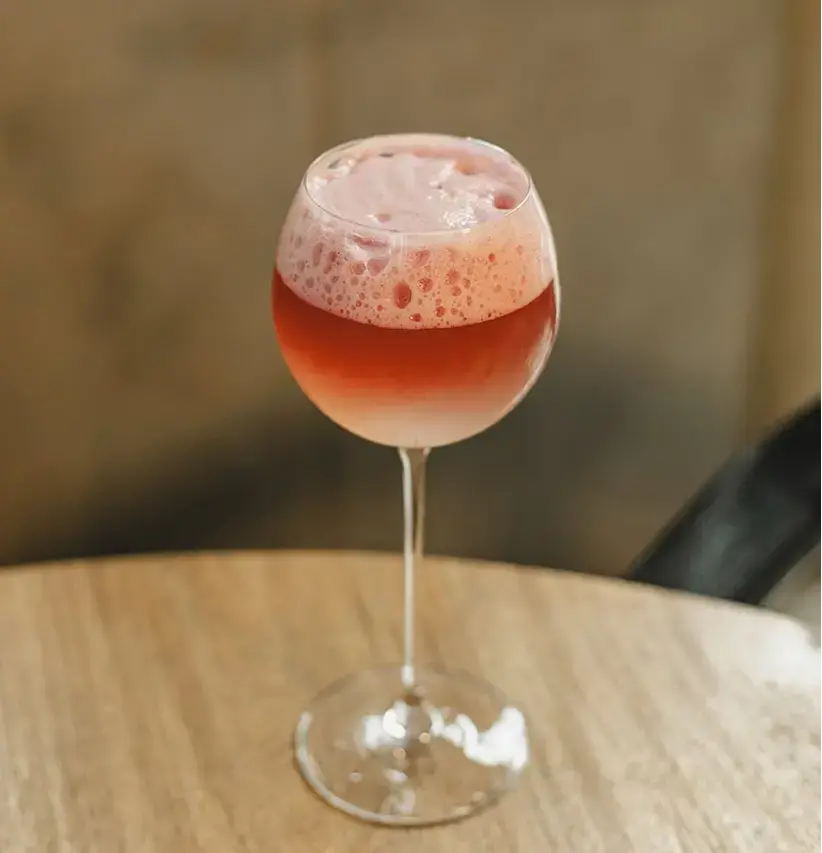
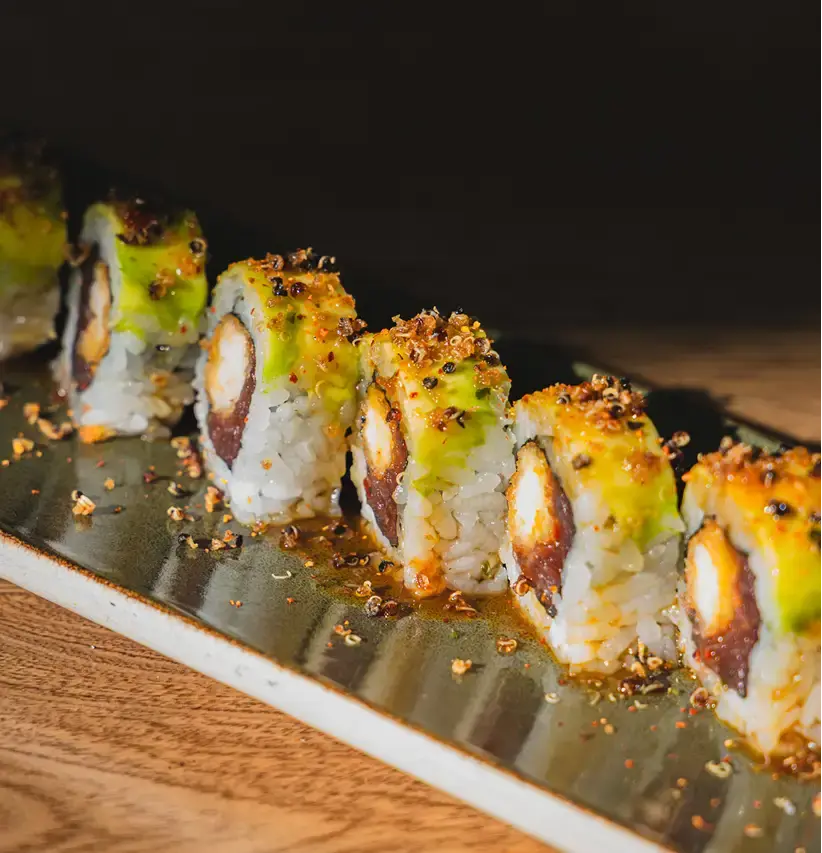
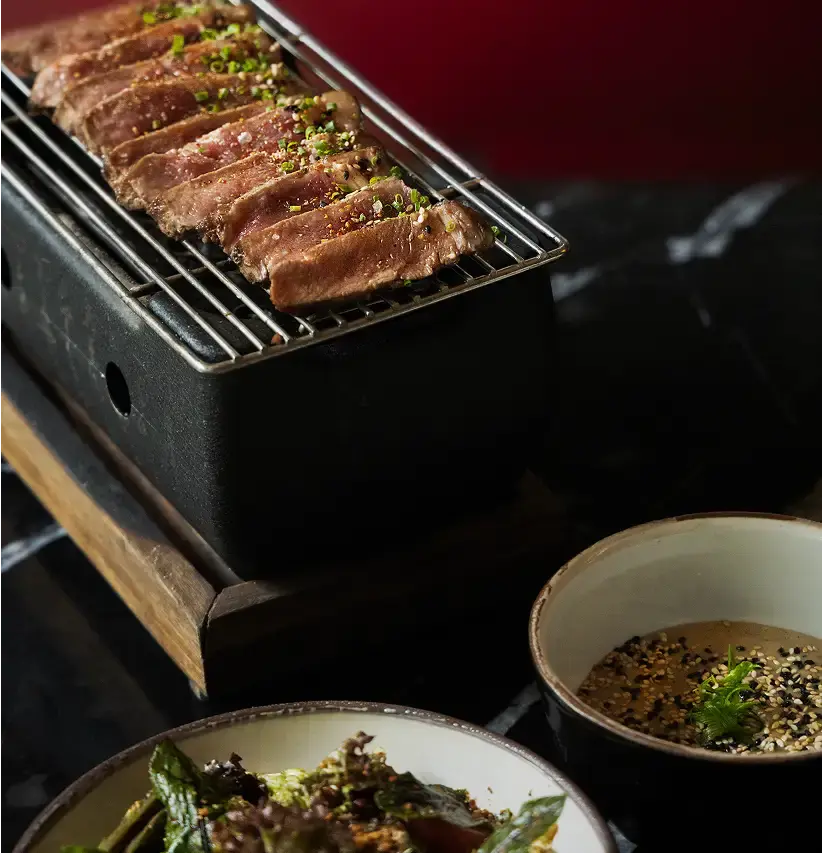
Signature sushi, robatayaki grills and cocktails with a Peruvian accent, right in El Poblado, Medellin.
Book your tableWhat is worth knowing before you go out?
Three practical details that save trouble:
Book ahead on weekends. From Thursday to Saturday the area fills up early and the good tables go fast. An online booking saves you an hour of waiting.
Check kitchen hours. Many kitchens close before the venue does, so arriving at eleven at night can mean an open bar but a closed menu. If you are going late, confirm first.
Walk the short distances and take transport for the long ones. Between Provenza and Manila, walking is the fastest option. To get there from other parts of the city, transport is the sensible choice, especially at night.
Frequently asked questions
Can you walk around El Poblado?
Yes, and it is the best way to move inside the food zones. Provenza, Manila and the area around Parque Lleras are a few minutes apart on foot. Keep the slope in mind: the district sits on a hillside and the streets climbing from Avenida El Poblado are more tiring than the map suggests. Plan your stops going downhill.
What is the best time for a food route in El Poblado?
It depends on the plan. For a calm lunch, between 12 and 2 in the afternoon, when the zones are quiet. For a route with several stops, starting around 5 or 6 p.m. lets you chain them before kitchens begin to close. After 7 p.m. the area changes rhythm and becomes more nocturnal.
Do you need a reservation?
From Thursday to Sunday, yes, especially for groups larger than two or for a table on a terrace. Booking online takes a minute and it is the difference between sitting down right away and standing in line at peak hour. On weekdays there is usually availability, though it is still worth securing on special dates.
Where should you start an Asian food route if it is your first time?
With Japanese or nikkei cooking, because those profiles are the most balanced way to open a night and they do not overwhelm the palate. At Oni Nikkei, in El Poblado, you can start with sushi and dishes to share before moving on to the spicier part of the route. Book your table online and walk on to the next stop.
In short
- El Poblado concentrates Medellín’s Asian offering within a few blocks.
- There are four zones with distinct character: Provenza, Manila, Lleras and the avenue.
- Start with the delicate and leave the spicy for the end.
- The hillside is real: plan your stops going downhill, not uphill.
- From Thursday to Sunday, booking ahead avoids long waits.